
Back to Services

Treatment Template

Uneven Skin Tone

What It Is

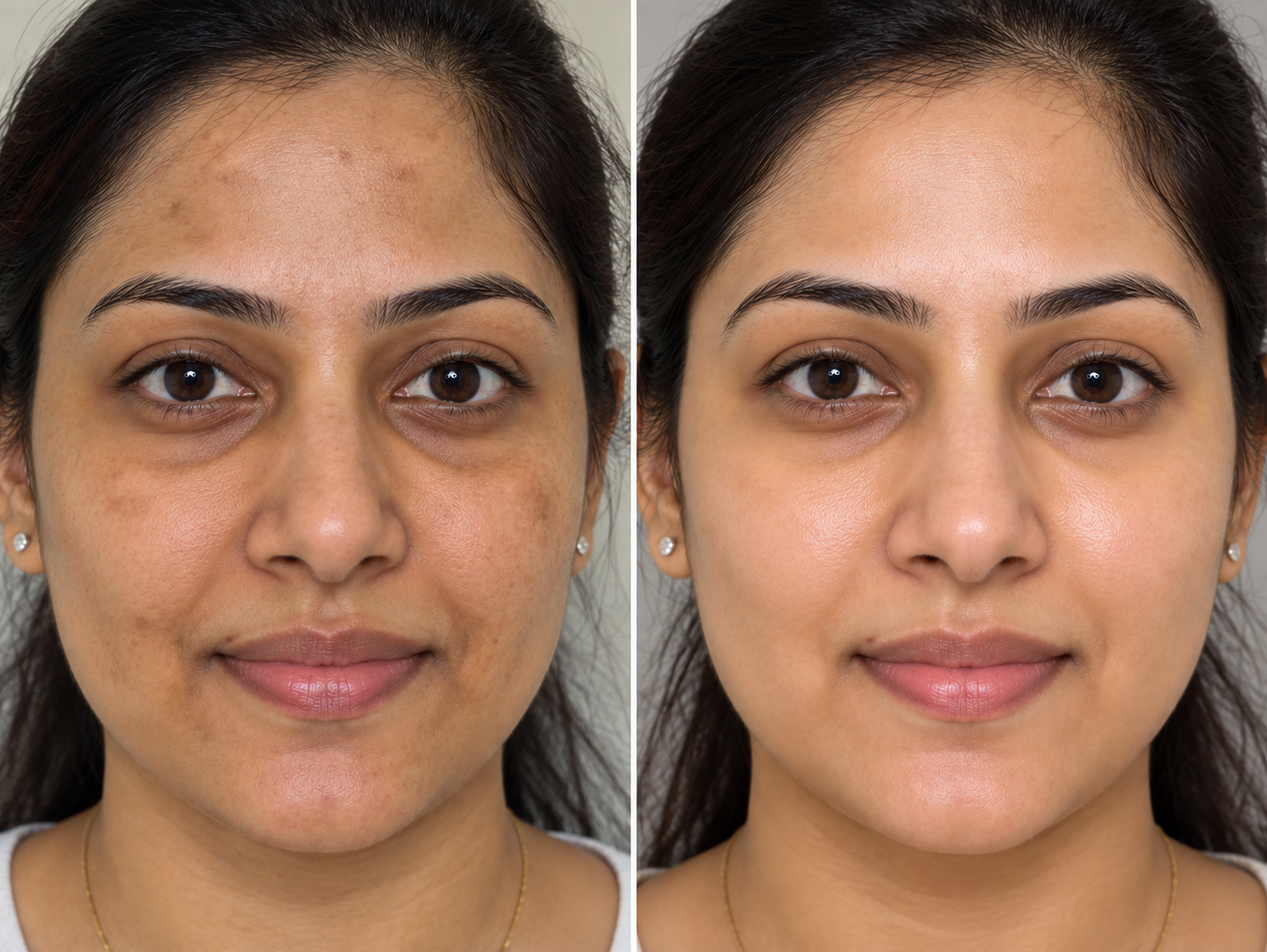
Uneven skin tone typically presents as blotchiness, superficial sun damage, or patchy areas of varying color, stemming from the uneven distribution of melanin. Resolving this issue safely begins with an expert clinical assessment. Through this foundational evaluation, your doctor builds an individualised plan. Where clinically appropriate, this journey may involve targeted brightening treatments, tailored chemical peels, or selected light-based therapies.

Uneven Skin Tone

Concerns It May Address

  • Uneven Skin Tone

Who May Be Suitable

This clinical management approach may be suitable for people dealing with lingering redness, mild sun damage, or a generally unbalanced complexion. Since individual melanin responses differ widely, treatments are thoroughly customized based on your specific skin type to ensure maximum safety.

When Medical Consultation May Be Needed

A detailed medical consultation is crucial. By examining your skin barrier and the core drivers of your uneven tone, your doctor will determine whether particular peels or light-based treatments are safe for your profile, especially if you possess sensitive or reactive skin.

Potential Benefits

Aims to gently unify the overall complexion

May help fade superficial patchy and blotchy areas

Assists in clearing dull, unevenly pigmented surface layers

Can support a more balanced, luminous appearance

Treatment DurationTo be confirmed during consultation
Number of SessionsTo be confirmed during consultation
DowntimeTo be confirmed during consultation

Aftercare Instructions

  • 01

    Rigorous, daily application of broad-spectrum sunscreen is absolutely essential to protect your progress.

  • 02

    Limit direct sun exposure profoundly and utilize physical protection (like hats) when outdoors.

  • 03

    Follow the specific, deeply hydrating post-care routine prescribed by your clinic.

  • 04

    Avoid harsh physical scrubs or at-home acidic exfoliants until officially cleared by your doctor.

Precautions

  • Disclose all topical ingredients you currently use, particularly retinoids, acids, or strong lightening agents.

  • Avoid active sun exposure, tanning regimens, or sunbeds for the weeks leading up to appointments.

  • Inform your doctor immediately if you have any history of melasma or easily triggered pigmentation.

Frequently Asked Questions

Common inquiries regarding safety, results, and procedural expectations.

Depending upon your initial assessment, your doctor may suggest a clinical brightening treatment, a precise chemical peel, or a selected light-based treatment—relying entirely on what is most appropriate for safely balancing your tone.

Unifying the skin tone is a gradual, deliberate process. While some surface brightness improves soon after a mild peel, deeper or more resistant patchiness typically requires consistent adherence to an individualised plan over multiple sessions.

The skin naturally continues to react to environmental stressors and UV exposure. While clinical treatments can significantly harmonize your complexion, maintaining your results requires a long-term commitment to diligent sun protection and proper home care.

Expert Guidance

Not Sure Which Treatment Is Right for You?

Book a consultation to discuss your concerns and understand which options may be suitable for you.